Buy caption-youngnails.be ?
We are moving the project
caption-youngnails.be .
Are you interested in purchasing the domain
caption-youngnails.be ?
domain@kv-gmbh.de · 0541-91531010
Buy caption-youngnails.be ?
How is the partitive formed?
The partitive is formed in French by using the preposition "de" followed by the definite article "le," "la," or "les." This combination contracts to form "du," "de la," or "des" before a singular or plural noun, respectively. For example, "some bread" is "du pain" and "some apples" is "des pommes." The partitive is used to indicate an unspecified quantity or portion of a mass noun. **
What is the French partitive article?
The French partitive article is used to indicate an unspecified quantity of a noun that cannot be counted. It is formed by combining the preposition "de" with the definite article corresponding to the noun's gender and number. For example, "du" is used with masculine singular nouns, "de la" with feminine singular nouns, and "des" with plural nouns. The partitive article is used in French to express concepts like some, any, or a part of something. **

Similar search terms for Partitive
Top-Angebote
Products related to Partitive:
-
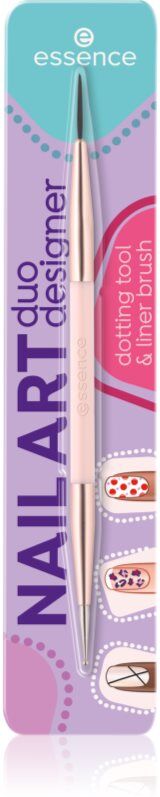
essence NAIL ART Accessoire pour manucure 1 pcsessence NAIL ART, 1 pcs, Limes à ongles et manucure pour femme, Élargissez vos possibilités et relookez vos ongles comme personne. Le produit essence NAIL ART vous aidera à réaliser des manucures dignes de pros à la maison. Il améliorera votre routine et complétera à merveille les outils ou les produits de beauté que vous utilisez déjà. Ce produit fera en sorte que vos ongles aient toujours une forme parfaite et une apparence soignée, et que vos mains soient votre plus belle carte de visite. Le produit : idéal pour des soins manucures parfaits dimensions optimales qui garantissent une manipulation aisée2,07 €*Shipping: 3,45 €Secure redirect to the provider


-
What is the rule for the partitive article?
The rule for the partitive article in French is to use "de" followed by the definite article (le, la, les) to indicate an unspecified quantity or some of a mass noun. For example, "du" is used for masculine singular nouns, "de la" for feminine singular nouns, and "des" for plural nouns. The partitive article is used when referring to an unknown or unspecified quantity of something. **
-
What are partitive articles in the French language?
Partitive articles in French are used to indicate an unspecified quantity of a noun. They are used when referring to a portion or some of a mass noun, such as food or liquid. The partitive articles in French are "du" (for masculine nouns), "de la" (for feminine nouns), and "de l'" (for nouns starting with a vowel or silent "h"). These articles are essential for expressing the concept of some or any in French. **
-
Could any nail salon create this design?
While any nail salon may have the technical ability to create the design, the quality of the final result may vary depending on the skill level of the nail technician. Achieving intricate designs like the one shown in the image may require a high level of expertise and attention to detail. It is important to choose a nail salon with experienced and talented nail technicians to ensure the best outcome for this design. **
-
How do you form the genitive partitive in Latin?
In Latin, the genitive partitive is formed by using the genitive case of the noun followed by the word "partis" or "partis" (depending on the gender of the noun) to indicate a part of the whole. For example, if the noun is "puella" (girl), the genitive partitive would be "puellae partis" to indicate "part of the girl." This construction is used to express the idea of "some of" or "a part of" something. **


What are partitive articles and quantity increases in French?
Partitive articles in French are used to indicate an unspecified quantity of a noun. They are used with uncountable nouns or when referring to a portion of something. Quantity increases in French involve using words like "plus de" (more), "beaucoup de" (a lot of), or "trop de" (too much) to indicate an increase in the quantity of something. These expressions are used to specify a larger amount of a noun compared to using just the partitive article. **
When do you use the partitive article in French?
The partitive article in French is used to indicate an unspecified quantity of a mass noun. It is used when referring to a part of a whole, or an unspecified amount of something. For example, "du" is used for masculine nouns, "de la" for feminine nouns, and "de l'" for nouns starting with a vowel or silent "h". It is important to use the partitive article when talking about food, drinks, or other uncountable nouns in French. **
Top-Angebote
Products related to Partitive:
-
Nail HQ Nail Art Brush pinceau double embout ongles 1 pcsNail HQ Nail Art Brush, 1 pcs, Manucure pour femme, Élargissez vos possibilités et relookez vos ongles comme personne. Le produit Nail HQ Nail Art Brush vous aidera à réaliser des manucures dignes de pros à la maison. Il améliorera votre routine et complétera à merveille les outils ou les produits de beauté que vous utilisez déjà. Ce produit fera en sorte que vos ongles aient toujours une forme parfaite et une apparence soignée, et que vos mains soient votre plus belle carte de visite. Le produit : une application facile qui vous garantit des résultats rapides et précis idéal pour des soins manucures parfaits dimensions optimales qui garantissent une manipulation aisée Mode d’emploi : Respectez le manuel d’utilisation fourni. Utilisez selon les besoins.4,23 €*Shipping: 3,45 €Secure redirect to the provider
-
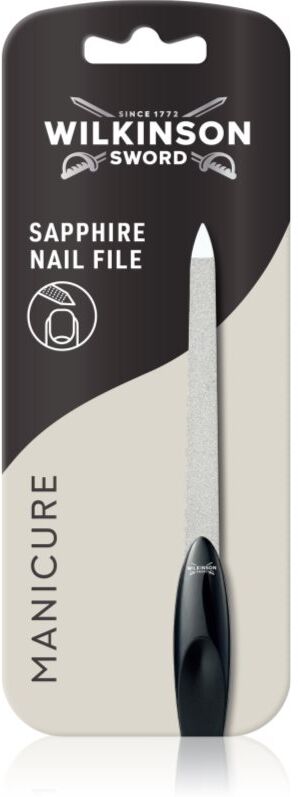
Wilkinson Sword Manicure Sapphire Nail File lime saphir 1 pcsWilkinson Sword Manicure Sapphire Nail File, 1 pcs, Limes à ongles et manucure pour femme, Les ongles sont l’une des premières choses que l’on voit. Alors, présentez-les sous leur meilleur jour. Que ce soit pour les modeler avec précision ou les retoucher, la lime à ongles Wilkinson Sword Manicure Sapphire Nail File vous permet d’obtenir des ongles dignes d’un salon, tout en restant confortablement chez vous. Avec cette lime, ils auront toujours l’air manucurés, soignés et débarrassés de toute irrégularité. Le produit : forme et raccourcit les ongles la lime à ongles est parfaite pour emporter avec soi, dans don sac à mains ou dans sa valise lime parfaitement et symétriquement Mode d’emploi : Appliquez la lime contre l’ongle et limez en faisant des passages toujours dans la même direction.5,10 €*Shipping: 3,45 €Secure redirect to the provider
-
essence NAIL ART Accessoire pour manucure 1 pcsessence NAIL ART, 1 pcs, Limes à ongles et manucure pour femme, Élargissez vos possibilités et relookez vos ongles comme personne. Le produit essence NAIL ART vous aidera à réaliser des manucures dignes de pros à la maison. Il améliorera votre routine et complétera à merveille les outils ou les produits de beauté que vous utilisez déjà. Ce produit fera en sorte que vos ongles aient toujours une forme parfaite et une apparence soignée, et que vos mains soient votre plus belle carte de visite. Le produit : idéal pour des soins manucures parfaits dimensions optimales qui garantissent une manipulation aisée2,07 €*Shipping: 3,45 €Secure redirect to the provider
-
How is the partitive formed?
The partitive is formed in French by using the preposition "de" followed by the definite article "le," "la," or "les." This combination contracts to form "du," "de la," or "des" before a singular or plural noun, respectively. For example, "some bread" is "du pain" and "some apples" is "des pommes." The partitive is used to indicate an unspecified quantity or portion of a mass noun. **
-
What is the French partitive article?
The French partitive article is used to indicate an unspecified quantity of a noun that cannot be counted. It is formed by combining the preposition "de" with the definite article corresponding to the noun's gender and number. For example, "du" is used with masculine singular nouns, "de la" with feminine singular nouns, and "des" with plural nouns. The partitive article is used in French to express concepts like some, any, or a part of something. **
-
What is the rule for the partitive article?
The rule for the partitive article in French is to use "de" followed by the definite article (le, la, les) to indicate an unspecified quantity or some of a mass noun. For example, "du" is used for masculine singular nouns, "de la" for feminine singular nouns, and "des" for plural nouns. The partitive article is used when referring to an unknown or unspecified quantity of something. **
-
What are partitive articles in the French language?
Partitive articles in French are used to indicate an unspecified quantity of a noun. They are used when referring to a portion or some of a mass noun, such as food or liquid. The partitive articles in French are "du" (for masculine nouns), "de la" (for feminine nouns), and "de l'" (for nouns starting with a vowel or silent "h"). These articles are essential for expressing the concept of some or any in French. **
Similar search terms for Partitive
-
NEONAIL Nail Art Kolinsky Thin Brush pinceau multifonctionnel ongles 1 pcsNEONAIL Nail Art Kolinsky Thin Brush, 1 pcs, Modelage des ongles pour femme, Élargissez vos possibilités et relookez vos ongles comme personne. Le produit NEONAIL Nail Art Kolinsky Thin Brush vous aidera à réaliser des manucures dignes de pros à la maison. Il améliorera votre routine et complétera à merveille les outils ou les produits de beauté que vous utilisez déjà. Ce produit fera en sorte que vos ongles aient toujours une forme parfaite et une apparence soignée, et que vos mains soient votre plus belle carte de visite. Le produit : une application facile qui vous garantit des résultats rapides et précis idéal pour des soins manucures parfaits dimensions optimales qui garantissent une manipulation aisée8,40 €*Shipping: 3,45 €Secure redirect to the provider
-
NEONAIL Nail Art Kolinsky Oval Brush pinceau multifonctionnel ongles 1 pcsNEONAIL Nail Art Kolinsky Oval Brush, 1 pcs, Modelage des ongles pour femme, Élargissez vos possibilités et relookez vos ongles comme personne. Le produit NEONAIL Nail Art Kolinsky Oval Brush vous aidera à réaliser des manucures dignes de pros à la maison. Il améliorera votre routine et complétera à merveille les outils ou les produits de beauté que vous utilisez déjà. Ce produit fera en sorte que vos ongles aient toujours une forme parfaite et une apparence soignée, et que vos mains soient votre plus belle carte de visite. Le produit : une application facile qui vous garantit des résultats rapides et précis idéal pour des soins manucures parfaits dimensions optimales qui garantissent une manipulation aisée8,40 €*Shipping: 3,45 €Secure redirect to the provider
-
Could any nail salon create this design?
While any nail salon may have the technical ability to create the design, the quality of the final result may vary depending on the skill level of the nail technician. Achieving intricate designs like the one shown in the image may require a high level of expertise and attention to detail. It is important to choose a nail salon with experienced and talented nail technicians to ensure the best outcome for this design. **
-
How do you form the genitive partitive in Latin?
In Latin, the genitive partitive is formed by using the genitive case of the noun followed by the word "partis" or "partis" (depending on the gender of the noun) to indicate a part of the whole. For example, if the noun is "puella" (girl), the genitive partitive would be "puellae partis" to indicate "part of the girl." This construction is used to express the idea of "some of" or "a part of" something. **
-
What are partitive articles and quantity increases in French?
Partitive articles in French are used to indicate an unspecified quantity of a noun. They are used with uncountable nouns or when referring to a portion of something. Quantity increases in French involve using words like "plus de" (more), "beaucoup de" (a lot of), or "trop de" (too much) to indicate an increase in the quantity of something. These expressions are used to specify a larger amount of a noun compared to using just the partitive article. **
-
When do you use the partitive article in French?
The partitive article in French is used to indicate an unspecified quantity of a mass noun. It is used when referring to a part of a whole, or an unspecified amount of something. For example, "du" is used for masculine nouns, "de la" for feminine nouns, and "de l'" for nouns starting with a vowel or silent "h". It is important to use the partitive article when talking about food, drinks, or other uncountable nouns in French. **
* All prices are inclusive of VAT and, if applicable, plus shipping costs. The offer information is based on the details provided by the respective shop and is updated through automated processes. Real-time updates do not occur, so deviations can occur in individual cases. ** Note: Parts of this content were created by AI.