Buy caption-youngnails.be ?
We are moving the project
caption-youngnails.be .
Are you interested in purchasing the domain
caption-youngnails.be ?
domain@kv-gmbh.de · 0541-91531010
Buy caption-youngnails.be ?
Is it competitive or non-competitive inhibition?
It is non-competitive inhibition. This is because the inhibitor binds to an allosteric site on the enzyme, which is different from the active site where the substrate binds. This type of inhibition does not compete with the substrate for binding to the enzyme, hence the name non-competitive inhibition. **
Non-competitive inhibition, right?
Non-competitive inhibition is a type of enzyme inhibition where the inhibitor binds to a site on the enzyme that is not the active site. This binding causes a conformational change in the enzyme, making it less effective at catalyzing the reaction. Non-competitive inhibitors do not compete with the substrate for binding to the enzyme. Instead, they can bind to the enzyme-substrate complex or to a separate allosteric site on the enzyme. **

Similar search terms for Non-competitive
Top-Angebote
Products related to Non-competitive:
-
essence NAIL ART Accessoire pour manucure 1 pcsessence NAIL ART, 1 pcs, Limes à ongles et manucure pour femme, Élargissez vos possibilités et relookez vos ongles comme personne. Le produit essence NAIL ART vous aidera à réaliser des manucures dignes de pros à la maison. Il améliorera votre routine et complétera à merveille les outils ou les produits de beauté que vous utilisez déjà. Ce produit fera en sorte que vos ongles aient toujours une forme parfaite et une apparence soignée, et que vos mains soient votre plus belle carte de visite. Le produit : idéal pour des soins manucures parfaits dimensions optimales qui garantissent une manipulation aisée2,07 €*Shipping: 3,45 €Secure redirect to the provider



-
What is the difference between competitive and non-competitive inhibition?
Competitive inhibition occurs when a molecule competes with the substrate for the active site of the enzyme, thus reducing the enzyme's ability to bind with the substrate. Non-competitive inhibition, on the other hand, occurs when a molecule binds to a site on the enzyme other than the active site, causing a conformational change in the enzyme that reduces its activity. In competitive inhibition, increasing the substrate concentration can overcome the inhibition, while in non-competitive inhibition, increasing the substrate concentration does not alleviate the inhibition. **
-
Is non-competitive inhibition irreversible or reversible?
Non-competitive inhibition is a type of enzyme inhibition that is reversible. In non-competitive inhibition, the inhibitor binds to the enzyme at a site other than the active site, causing a conformational change in the enzyme that reduces its activity. This type of inhibition can be overcome by increasing the substrate concentration, as it does not involve permanent alteration of the enzyme. **
-
What is an example of non-competitive inhibition?
An example of non-competitive inhibition is the binding of an allosteric inhibitor to an enzyme at a site other than the active site. This binding causes a conformational change in the enzyme, which reduces its activity and prevents the substrate from binding to the active site. This type of inhibition does not compete with the substrate for binding to the active site, hence the term "non-competitive." An example of this is the binding of ATP to the enzyme phosphofructokinase in glycolysis, which inhibits its activity. **
-
Can you give me an example of competitive and non-competitive inhibition in biology?
Sure! In competitive inhibition, a molecule similar in structure to the substrate competes with the substrate for the active site of the enzyme. This prevents the substrate from binding to the enzyme and carrying out its normal function. An example of this is the drug statins, which competitively inhibit the enzyme HMG-CoA reductase, involved in cholesterol synthesis. In non-competitive inhibition, a molecule binds to the enzyme at a location other than the active site, causing a conformational change in the enzyme that reduces its activity. An example of this is the poison cyanide, which non-competitively inhibits the enzyme cytochrome c oxidase in the electron transport chain, disrupting cellular respiration. **


Is allosteric inhibition the same as non-competitive inhibition?
Allosteric inhibition and non-competitive inhibition are not the same, although they are related. Non-competitive inhibition refers to the binding of an inhibitor to a site on the enzyme that is not the active site, thereby preventing the substrate from binding to the active site. Allosteric inhibition, on the other hand, occurs when an inhibitor binds to a site on the enzyme that is distinct from the active site, causing a conformational change in the enzyme that reduces its activity. While both types of inhibition involve the binding of an inhibitor to a site other than the active site, allosteric inhibition specifically involves a change in the enzyme's shape and activity. **
What is the difference between non-competitive and allosteric inhibition?
Non-competitive inhibition occurs when an inhibitor binds to an enzyme at a site other than the active site, causing a conformational change that prevents the substrate from binding. This type of inhibition is not affected by the concentration of the substrate. On the other hand, allosteric inhibition occurs when an inhibitor binds to an allosteric site on the enzyme, causing a conformational change that reduces the enzyme's activity. Allosteric inhibition is often reversible and can be overcome by increasing the concentration of the substrate. **
Top-Angebote
Products related to Non-competitive:
-
Nail HQ Nail Art Brush pinceau double embout ongles 1 pcsNail HQ Nail Art Brush, 1 pcs, Manucure pour femme, Élargissez vos possibilités et relookez vos ongles comme personne. Le produit Nail HQ Nail Art Brush vous aidera à réaliser des manucures dignes de pros à la maison. Il améliorera votre routine et complétera à merveille les outils ou les produits de beauté que vous utilisez déjà. Ce produit fera en sorte que vos ongles aient toujours une forme parfaite et une apparence soignée, et que vos mains soient votre plus belle carte de visite. Le produit : une application facile qui vous garantit des résultats rapides et précis idéal pour des soins manucures parfaits dimensions optimales qui garantissent une manipulation aisée Mode d’emploi : Respectez le manuel d’utilisation fourni. Utilisez selon les besoins.4,23 €*Shipping: 3,45 €Secure redirect to the provider
-
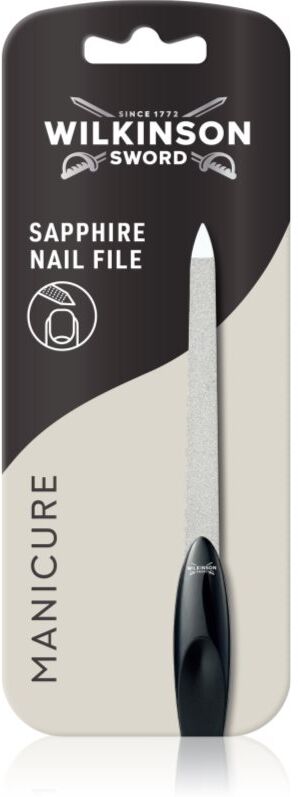
Wilkinson Sword Manicure Sapphire Nail File lime saphir 1 pcsWilkinson Sword Manicure Sapphire Nail File, 1 pcs, Limes à ongles et manucure pour femme, Les ongles sont l’une des premières choses que l’on voit. Alors, présentez-les sous leur meilleur jour. Que ce soit pour les modeler avec précision ou les retoucher, la lime à ongles Wilkinson Sword Manicure Sapphire Nail File vous permet d’obtenir des ongles dignes d’un salon, tout en restant confortablement chez vous. Avec cette lime, ils auront toujours l’air manucurés, soignés et débarrassés de toute irrégularité. Le produit : forme et raccourcit les ongles la lime à ongles est parfaite pour emporter avec soi, dans don sac à mains ou dans sa valise lime parfaitement et symétriquement Mode d’emploi : Appliquez la lime contre l’ongle et limez en faisant des passages toujours dans la même direction.5,10 €*Shipping: 3,45 €Secure redirect to the provider
-
essence NAIL ART Accessoire pour manucure 1 pcsessence NAIL ART, 1 pcs, Limes à ongles et manucure pour femme, Élargissez vos possibilités et relookez vos ongles comme personne. Le produit essence NAIL ART vous aidera à réaliser des manucures dignes de pros à la maison. Il améliorera votre routine et complétera à merveille les outils ou les produits de beauté que vous utilisez déjà. Ce produit fera en sorte que vos ongles aient toujours une forme parfaite et une apparence soignée, et que vos mains soient votre plus belle carte de visite. Le produit : idéal pour des soins manucures parfaits dimensions optimales qui garantissent une manipulation aisée2,07 €*Shipping: 3,45 €Secure redirect to the provider
-
Is it competitive or non-competitive inhibition?
It is non-competitive inhibition. This is because the inhibitor binds to an allosteric site on the enzyme, which is different from the active site where the substrate binds. This type of inhibition does not compete with the substrate for binding to the enzyme, hence the name non-competitive inhibition. **
-
Non-competitive inhibition, right?
Non-competitive inhibition is a type of enzyme inhibition where the inhibitor binds to a site on the enzyme that is not the active site. This binding causes a conformational change in the enzyme, making it less effective at catalyzing the reaction. Non-competitive inhibitors do not compete with the substrate for binding to the enzyme. Instead, they can bind to the enzyme-substrate complex or to a separate allosteric site on the enzyme. **
-
What is the difference between competitive and non-competitive inhibition?
Competitive inhibition occurs when a molecule competes with the substrate for the active site of the enzyme, thus reducing the enzyme's ability to bind with the substrate. Non-competitive inhibition, on the other hand, occurs when a molecule binds to a site on the enzyme other than the active site, causing a conformational change in the enzyme that reduces its activity. In competitive inhibition, increasing the substrate concentration can overcome the inhibition, while in non-competitive inhibition, increasing the substrate concentration does not alleviate the inhibition. **
-
Is non-competitive inhibition irreversible or reversible?
Non-competitive inhibition is a type of enzyme inhibition that is reversible. In non-competitive inhibition, the inhibitor binds to the enzyme at a site other than the active site, causing a conformational change in the enzyme that reduces its activity. This type of inhibition can be overcome by increasing the substrate concentration, as it does not involve permanent alteration of the enzyme. **
Similar search terms for Non-competitive
-
NEONAIL Nail Art Kolinsky Thin Brush pinceau multifonctionnel ongles 1 pcsNEONAIL Nail Art Kolinsky Thin Brush, 1 pcs, Modelage des ongles pour femme, Élargissez vos possibilités et relookez vos ongles comme personne. Le produit NEONAIL Nail Art Kolinsky Thin Brush vous aidera à réaliser des manucures dignes de pros à la maison. Il améliorera votre routine et complétera à merveille les outils ou les produits de beauté que vous utilisez déjà. Ce produit fera en sorte que vos ongles aient toujours une forme parfaite et une apparence soignée, et que vos mains soient votre plus belle carte de visite. Le produit : une application facile qui vous garantit des résultats rapides et précis idéal pour des soins manucures parfaits dimensions optimales qui garantissent une manipulation aisée8,40 €*Shipping: 3,45 €Secure redirect to the provider
-
NEONAIL Nail Art Kolinsky Oval Brush pinceau multifonctionnel ongles 1 pcsNEONAIL Nail Art Kolinsky Oval Brush, 1 pcs, Modelage des ongles pour femme, Élargissez vos possibilités et relookez vos ongles comme personne. Le produit NEONAIL Nail Art Kolinsky Oval Brush vous aidera à réaliser des manucures dignes de pros à la maison. Il améliorera votre routine et complétera à merveille les outils ou les produits de beauté que vous utilisez déjà. Ce produit fera en sorte que vos ongles aient toujours une forme parfaite et une apparence soignée, et que vos mains soient votre plus belle carte de visite. Le produit : une application facile qui vous garantit des résultats rapides et précis idéal pour des soins manucures parfaits dimensions optimales qui garantissent une manipulation aisée8,40 €*Shipping: 3,45 €Secure redirect to the provider
-
What is an example of non-competitive inhibition?
An example of non-competitive inhibition is the binding of an allosteric inhibitor to an enzyme at a site other than the active site. This binding causes a conformational change in the enzyme, which reduces its activity and prevents the substrate from binding to the active site. This type of inhibition does not compete with the substrate for binding to the active site, hence the term "non-competitive." An example of this is the binding of ATP to the enzyme phosphofructokinase in glycolysis, which inhibits its activity. **
-
Can you give me an example of competitive and non-competitive inhibition in biology?
Sure! In competitive inhibition, a molecule similar in structure to the substrate competes with the substrate for the active site of the enzyme. This prevents the substrate from binding to the enzyme and carrying out its normal function. An example of this is the drug statins, which competitively inhibit the enzyme HMG-CoA reductase, involved in cholesterol synthesis. In non-competitive inhibition, a molecule binds to the enzyme at a location other than the active site, causing a conformational change in the enzyme that reduces its activity. An example of this is the poison cyanide, which non-competitively inhibits the enzyme cytochrome c oxidase in the electron transport chain, disrupting cellular respiration. **
-
Is allosteric inhibition the same as non-competitive inhibition?
Allosteric inhibition and non-competitive inhibition are not the same, although they are related. Non-competitive inhibition refers to the binding of an inhibitor to a site on the enzyme that is not the active site, thereby preventing the substrate from binding to the active site. Allosteric inhibition, on the other hand, occurs when an inhibitor binds to a site on the enzyme that is distinct from the active site, causing a conformational change in the enzyme that reduces its activity. While both types of inhibition involve the binding of an inhibitor to a site other than the active site, allosteric inhibition specifically involves a change in the enzyme's shape and activity. **
-
What is the difference between non-competitive and allosteric inhibition?
Non-competitive inhibition occurs when an inhibitor binds to an enzyme at a site other than the active site, causing a conformational change that prevents the substrate from binding. This type of inhibition is not affected by the concentration of the substrate. On the other hand, allosteric inhibition occurs when an inhibitor binds to an allosteric site on the enzyme, causing a conformational change that reduces the enzyme's activity. Allosteric inhibition is often reversible and can be overcome by increasing the concentration of the substrate. **
* All prices are inclusive of VAT and, if applicable, plus shipping costs. The offer information is based on the details provided by the respective shop and is updated through automated processes. Real-time updates do not occur, so deviations can occur in individual cases. ** Note: Parts of this content were created by AI.